
Activity Time With Pop-Pop Volume 1: Turning Ordinary Afternoons Into Emotional Learning Kids Actually Enjoy

The after-school stretch can feel short on time and long on demands. A few crayons, one activity page, and a caring grown-up can turn an ordinary afternoon into a screen-free chance to connect and talk about feelings.
Four things to take away:
- You don’t need a complicated plan: a few minutes of shared activity can open the door to conversation.
- Drawing, matching, and other hands-on pages give children a playful way to notice and name feelings.
- Activity Time with Pop-Pop Volume 1 is a paperback activity book designed for shared, screen-free moments.
- Stories and activity pages can work together to make themes like resilience, friendship, and empathy easier to explore.
How can a short activity help children build emotional vocabulary?
A short shared activity can give children a relaxed opportunity to notice, name, and talk about feelings. When an adult listens and asks gentle questions, a page can become a starting point for emotional language, not a test with right or wrong answers.
After school, while waiting for an appointment, or during a rainy afternoon, you may only have a few minutes. That is enough to color one picture or try one prompt together. Ask, “What do you think this character might be feeling?” or “Have you ever felt that way?” If your child answers with a color, a drawing, a gesture, or a few words, that counts.
The goal is not to force a big conversation. It is to show that feelings are welcome and worth understanding. You can model this by sharing a simple observation of your own: “I felt proud when I finished my work,” or “I was frustrated when I couldn’t find my keys.”
Research on shared reading and emotion vocabulary suggests that adult-child conversation can help children learn feeling words. A study of dialogic reading and emotion words offers one example. In everyday life, the useful part is simple: notice together, name a feeling, and make space for the child’s perspective.
Why choose Activity Time with Pop-Pop Volume 1 for an ordinary afternoon?
Activity Time with Pop-Pop Volume 1 is a paperback activity book for hands-on, screen-free engagement. Its activities offer an easy way for a parent, grandparent, or educator to spend focused time with a child while exploring ideas around feelings, friendship, and perseverance.
You don’t need to set up a craft station or plan a full lesson. Keep the book and a few crayons where you can reach them, then let your child choose a page. A small invitation, “Would you like to draw or try this activity?”, gives the child a say in how the time unfolds.
That choice matters. Children can express themselves in different ways, and there is no single perfect picture or response. Praise the effort, curiosity, or persistence you see rather than focusing only on the finished page. That approach can help the activity feel welcoming instead of like homework.
If you’re looking for social emotional learning books that fit into real family routines, this is a practical option to explore. It can be a gentle companion to conversations about resilience and a helpful addition to a shelf of children’s books on resilience, emotional intelligence books for kids, and character building books for kids. For families searching for the best social emotional learning books for kids, remember that a book’s value often comes from the warm interaction it inspires, too.
Explore Activity Time with Pop-Pop Vol. 1.
Order Activity Time with Pop-Pop Volume 1 on Amazon
As an Amazon Associate, C Family Media earns from qualifying purchases.
How can you fit screen-free activity time into a busy day?
You can fit activity time into small windows by keeping the setup simple and letting your child decide how much to do. One page, a few minutes, and a familiar adult can be enough to create a meaningful shared moment.
Try these low-prep ideas:
- After school: Invite your child to choose a page while they settle in. Ask what part feels fun, tricky, or surprising.
- On a rainy day: Sit together and take turns choosing colors or describing what you notice. Keep the pace relaxed.
- While waiting: Bring a paperback activity book and a small set of crayons. A quick drawing can give waiting hands something to do.
- When energy is low: Offer a simple choice, such as “Would you like to draw for a few minutes or just look at the page together?”
If a page leads to a feeling, try a short follow-up: “What might help someone feel better?” or “What could a friend say?” These are gentle prompts, not a quiz. You can pause whenever your child has had enough.
Activity pages can be especially useful when a child is not ready to explain everything in words. Drawing offers another way to share ideas, and adults can follow the child’s lead. This is one reason activity books for emotional development can sit naturally alongside empathy books for children and social skills books for kids: each can provide a different opening for connection.

How do stories and activities work together?
Stories help children meet characters and situations; activities give them a chance to respond, create, and talk about the ideas. Pairing the two can make intergenerational storytelling for children a shared experience that extends beyond reading aloud.
Start with a story, then invite your child to draw, color, or talk about an idea that stood out. You might ask what a character could do when something feels hard, or how a friend might help. Keep the conversation open: children may have different ideas, and those differences are worth hearing.
For a story companion about resilience and family connection, explore Story Time with Pop-Pop: The Day I Ran Away. For a warm family adventure about trying something new and making memories together, see Story Time with Pop-Pop: The Fishing Trip. Both titles are available in paperback, hardback, and ebook formats.
This mix of shared reading and hands-on play can make a thoughtful addition to a collection of values based children’s books, growth mindset books for children, and friendship books for toddlers. The key is not to turn every page into a formal lesson. It is to create space for a child to wonder, express themselves, and feel heard.
For more shared story time, find The Day I Ran Away on Amazon.
As an Amazon Associate, C Family Media earns from qualifying purchases.
You can also find The Fishing Trip on Amazon.
As an Amazon Associate, C Family Media earns from qualifying purchases.
What can families explore after Volume 1?
Activity Time with Pop-Pop Volume 2 is a natural next step for families who want more hands-on opportunities to create and connect. It continues the activity-book experience, while the Story Time titles provide stories to enjoy alongside the activities.
You might keep Volume 1 nearby for familiar favorites and bring in Volume 2 when your child is ready for another set of pages. There is no need to complete a book in order or finish several activities in one sitting. Follow your child’s interest and return whenever the moment feels right.
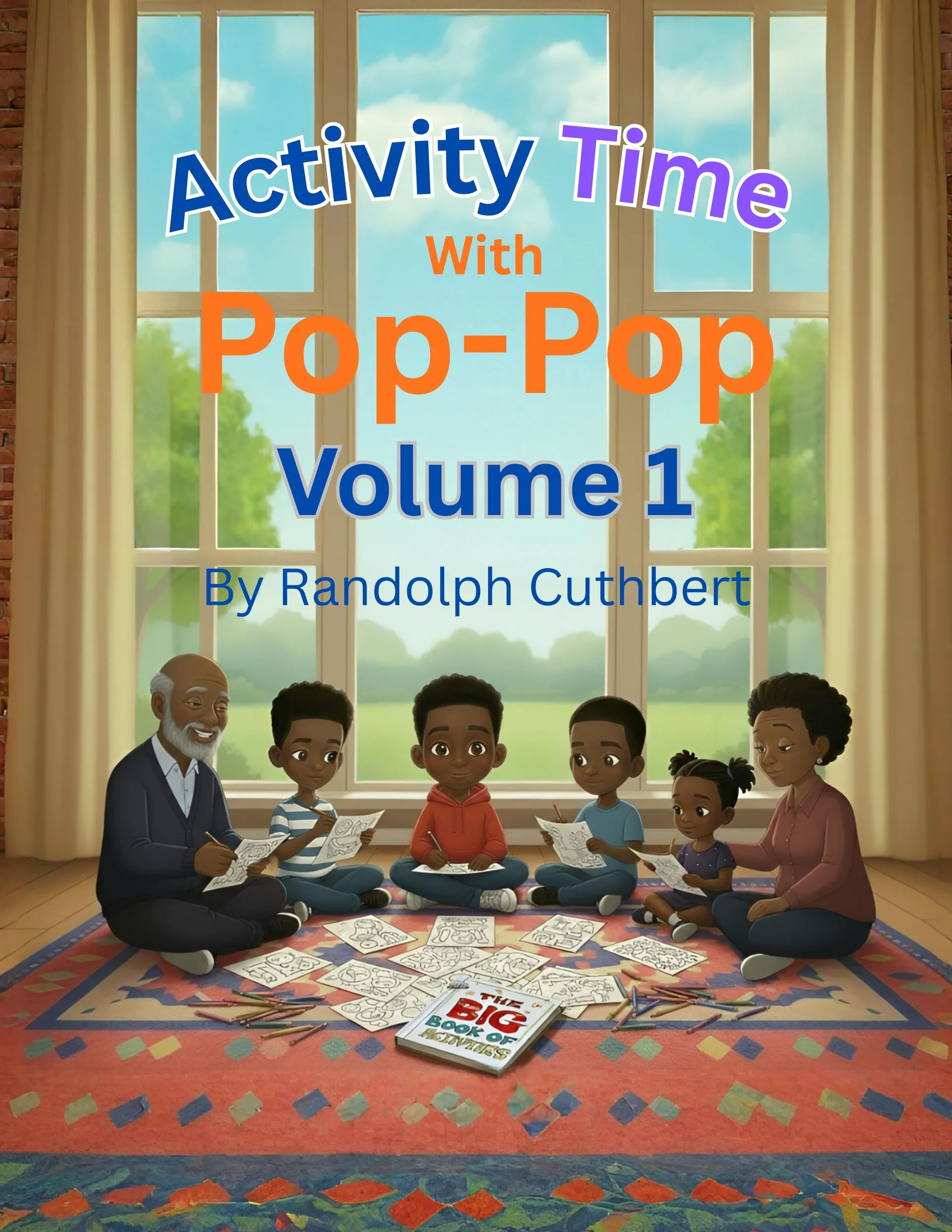
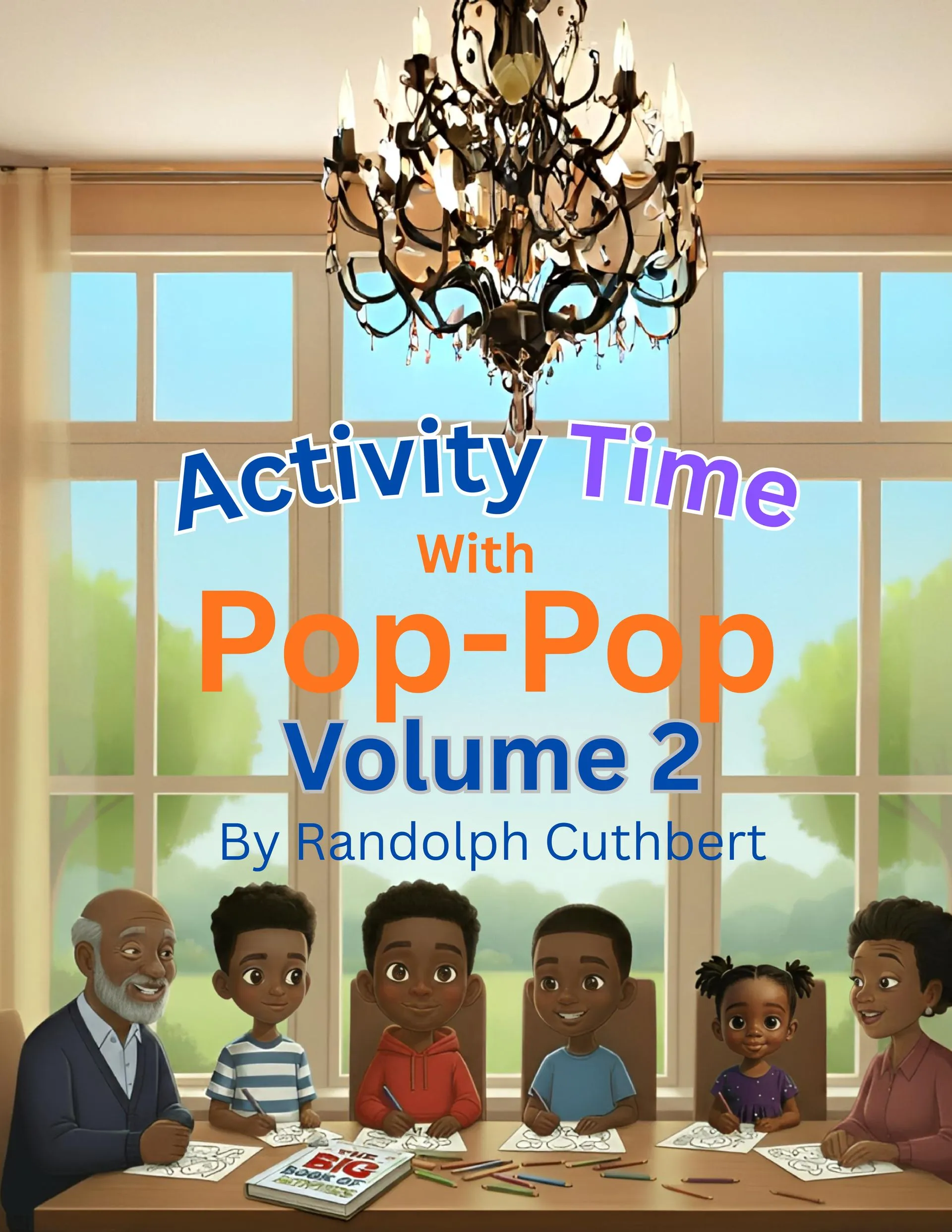
Explore Activity Time with Pop-Pop Vol. 2.
Continue with Activity Time with Pop-Pop Volume 2 on Amazon
As an Amazon Associate, C Family Media earns from qualifying purchases.
What’s ahead for the Pop-Pop collection?
The Pop-Pop collection is growing, with Story Time with Pop-Pop: Randi’s First Day of School and Activity Time with Pop-Pop Volume 3 among the upcoming titles. The larger roadmap includes 14 more Story Time books and 15 Activity Time volumes planned, with no release dates announced here.
We’re excited about the possibilities ahead: more relatable characters, more shared reading, and more ways to explore emotional growth as a family. Intergenerational storytelling for children can be a meaningful part of that journey, connecting young readers with the caring adults who share their stories and time.
About the author
Randolph Cuthbert, known to readers as Pop-Pop, is the creator and author of the Story Time with Pop-Pop and Activity Time with Pop-Pop series. His books focus on resilience, friendship, and emotional development through relatable characters and family-centered storytelling.
At C Family Media, we believe small moments can help build a strong foundation for emotional growth. Visit C Family Media or browse all current titles on our books page. Which kind of activity does your child enjoy most, and what feelings or topics would you like to explore together? We’d love to hear your thoughts.