
Empathy Books for Children: How Pop-Pop Stories Teach Kids to Care, Share, and Connect

Key Takeaways
- Stories make empathy visible: Children can watch characters notice feelings, listen carefully, share, apologize, and repair relationships.
- Pop-Pop books create connection: Intergenerational storytelling for children gives families a meaningful way to talk across ages and experiences.
- Activities turn ideas into practice: Matching games, drawing prompts, and friendship activities help children apply social-emotional lessons.
- Small routines make a difference: A few thoughtful questions during reading can help children build kindness, patience, emotional awareness, and social confidence.
By Randolph Cuthbert, also known as Pop-Pop, creator and author of the Story Time with Pop-Pop and Activity Time with Pop-Pop series.
Why Empathy Grows Through Shared Stories
Empathy grows when children have regular opportunities to notice feelings, consider another person’s point of view, and choose a caring response. Shared reading makes those ideas easier to understand because children can explore big emotions through safe, relatable characters.
A story gives you a gentle place to pause and ask, “How do you think this character feels?” Your child does not need to have the perfect answer. The goal is to help them look for clues, listen to another perspective, and understand that two people may feel differently about the same moment.
Recent research supports this approach. A 2025 meta-analysis found that storybook reading was connected especially with prosocial behavior in children, including actions that help, share, and cooperate. Research also suggests that adult guidance and discussion can make reading more meaningful than simply finishing a book.
That is why the best social emotional learning books for kids do more than name emotions. They help children see what emotions can look like in everyday life and consider what they can do next.
How the Four Current Pop-Pop Books Build Empathy
Each current Pop-Pop book supports a different part of emotional growth. Together, the stories and activities create a simple pathway from noticing feelings to practicing kindness, patience, sharing, and connection.
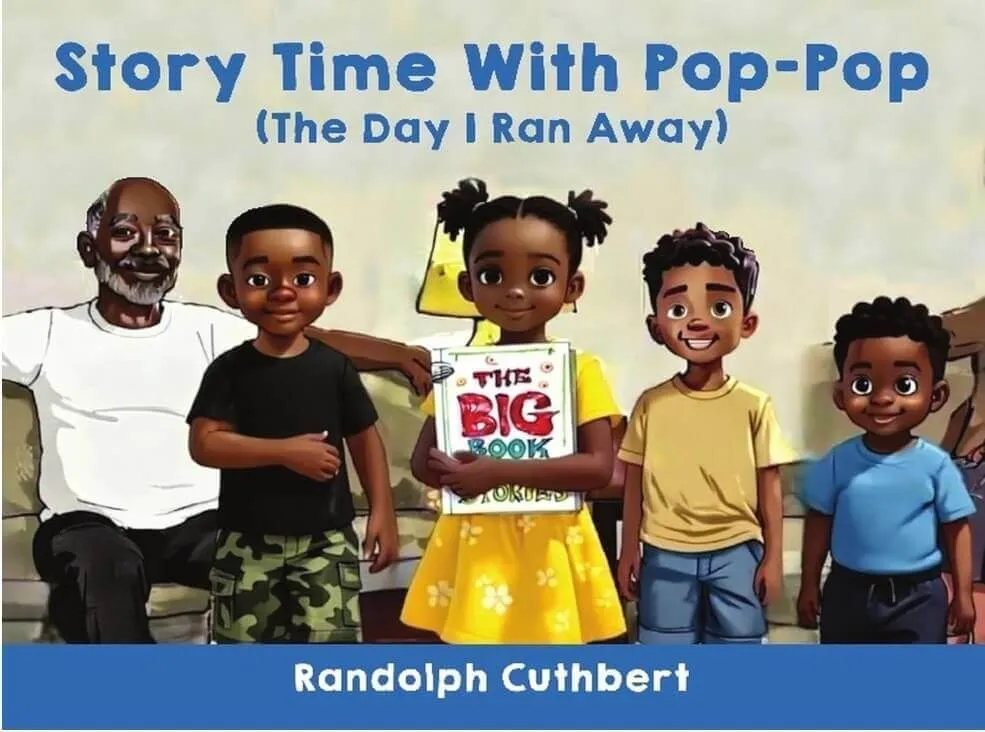
The Day I Ran Away: Big Feelings and Relationship Repair
Story Time with Pop-Pop: The Day I Ran Away gives children space to think about strong emotions and the choices that follow. It helps open conversations about what happens when feelings become overwhelming and how relationships can be repaired with honesty, care, and support.
You can ask:
- “What feeling might be making this moment difficult?”
- “What could the character say to explain what happened?”
- “How can someone show that they are sorry?”
- “What helps people feel close again after a hard moment?”
This makes the book especially helpful for children who are learning that emotions are real, but emotions do not have to control every action. It belongs among meaningful empathy books for children, character building books for kids, and children’s books on resilience.
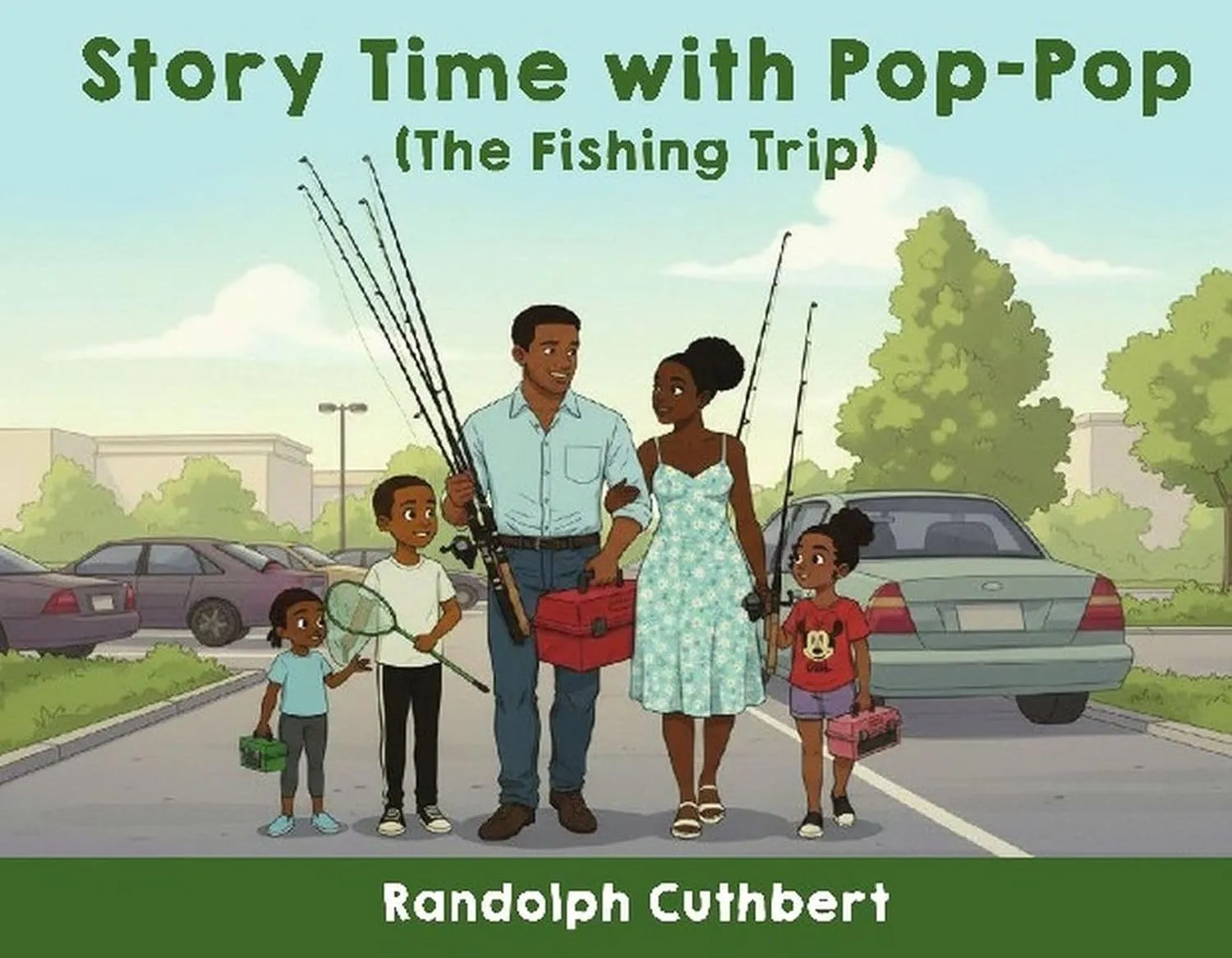
The Fishing Trip: Patience, Listening, and Shared Time
Story Time with Pop-Pop: The Fishing Trip centers on trying something new, spending time together, and enjoying a shared family experience. It offers natural opportunities to talk about patience, listening, courage, and the value of being present with others.
Fishing also gives families an easy metaphor for social skills. Sometimes you wait your turn. Sometimes you listen before you act. Sometimes the best part of an experience is not the result, but the time spent together.
Try asking:
- “What does patience look like here?”
- “How can we show someone we are listening?”
- “What can you do when something does not happen right away?”
- “What makes family time feel special?”
These conversations make the book a useful choice for families looking for social skills books for kids, values based children’s books, and stories that encourage connection without feeling like a lesson.
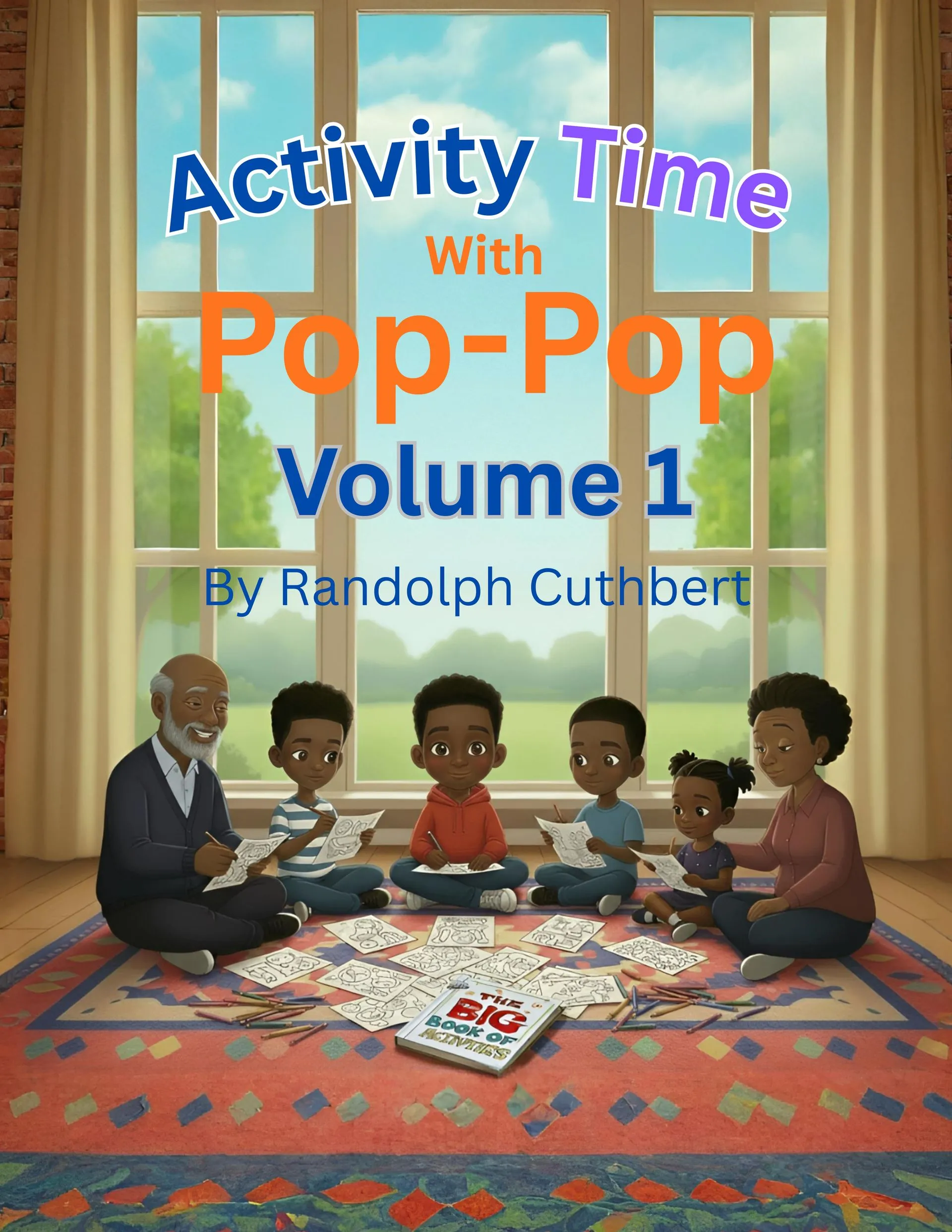
Activity Time with Pop-Pop Vol. 1: Matching Feelings With Actions
Activity Time with Pop-Pop Vol. 1 adds a hands-on practice layer to the storytelling experience. Matching activities, games, and drawing prompts about feelings and friendship invite children to slow down, notice emotional clues, and express their own ideas.
For example, after reading about a character who feels left out, your child might draw a way to invite someone into play. A matching activity can connect an emotion with a helpful response, such as “sad” with “ask if a friend needs company.”
This is valuable because empathy is not only something children understand. It is something they practice through small actions, such as sharing supplies, taking turns, offering comfort, and asking before helping.
Activity Time with Pop-Pop Vol. 2: Practicing Friendship and Emotional Awareness
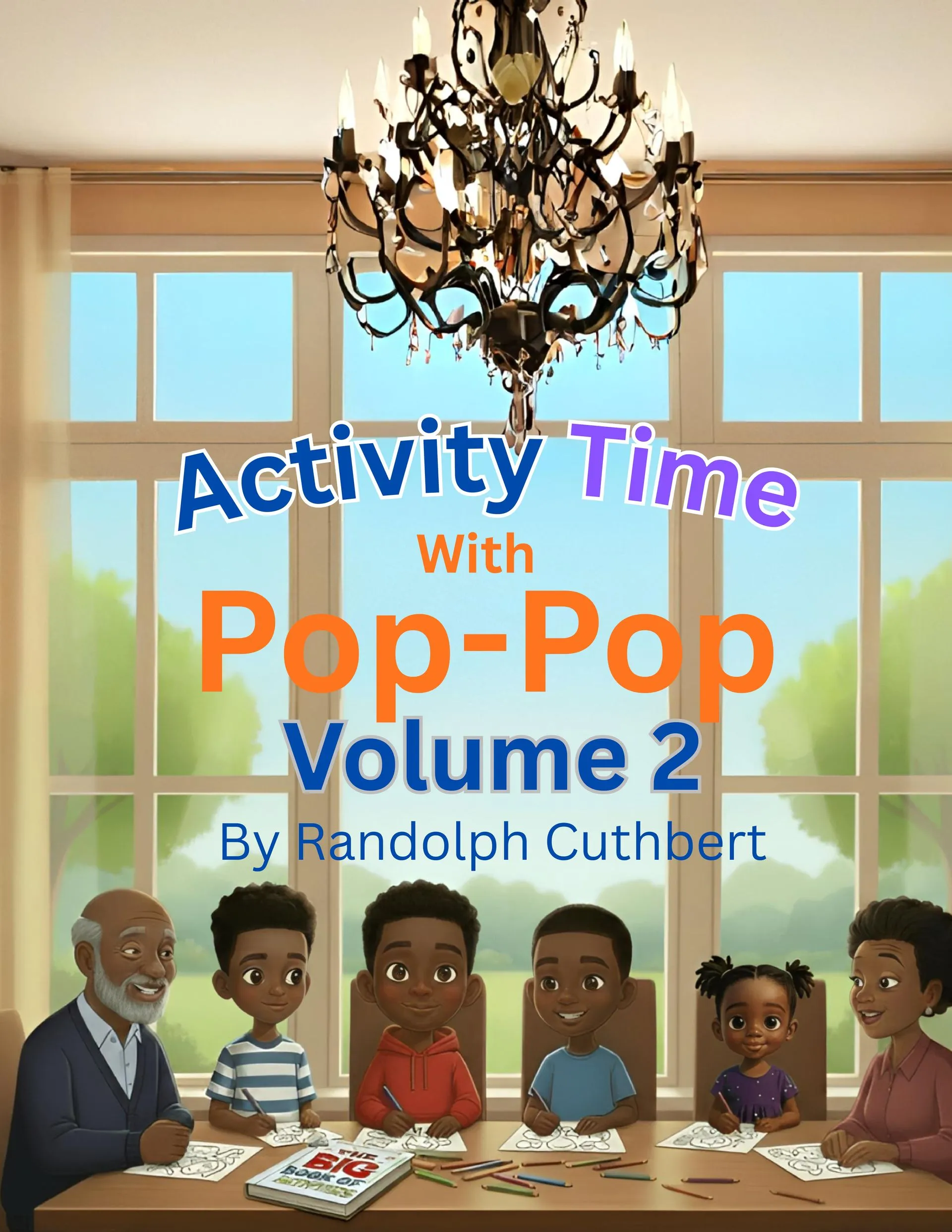
Activity Time with Pop-Pop Vol. 2 continues the hands-on experience with activities that encourage emotional expression, friendship, and shared participation. Children can use games and drawing prompts to explore what good listening, kindness, and cooperation look like in daily life.
These activities work well at home, in a classroom, or during time with grandparents. They also support children who learn best when they can move from a story to a picture, a matching challenge, or a simple conversation.
Together, the two activity books function as activity books for emotional development. They also support the qualities families often seek in emotional intelligence books for kids: naming emotions, recognizing social cues, making choices, and responding with care.
Simple Ways to Practice Empathy at Home
Parents and grandparents can turn any read-aloud into a short social-emotional learning routine. You only need a few minutes, a willing listener, and questions that invite your child to think.
Use the “Before, During, After” Routine
Before reading, ask your child to make a prediction:
- “What might happen if someone feels left out?”
- “What might Pop-Pop or the child need today?”
- “How can we tell when someone wants help?”
During reading, pause when a character faces a choice:
- “What clues do you see in the character’s face or body?”
- “What else might this character be feeling?”
- “What could the character say instead of grabbing, shouting, or walking away?”
After reading, connect the story to action:
- “When did someone show kindness?”
- “How did listening help?”
- “What is one caring thing we could try today?”
These prompts help children practice perspective-taking without requiring them to share a personal experience before they are ready.
Play “What Could You Do?”
Describe a simple situation and invite your child to suggest two or three choices.
“Your friend has the red crayon, and you want it. What could you do?”
Possible answers might include asking politely, choosing another color, or waiting for a turn. You can also act out the situation together. Role-play gives children a safe way to practice words before they need them in real life.
This game works especially well with toddlers and preschoolers who enjoy repetition. It can also make friendship books for toddlers more interactive because children move from listening to trying the language themselves.
Start a Family Feelings Drawing
Give everyone paper and ask them to draw one feeling from the story. Then invite each person to share:
- “What feeling did you draw?”
- “What might cause that feeling?”
- “What could help?”
- “How could a friend respond?”
There is no single correct drawing. Children learn that people may express feelings in different ways. That lesson supports individuality, respect, and stronger social awareness.
How Educators Can Use Pop-Pop Stories
Teachers, librarians, and school counselors can use these books as short discussion starters. The stories can support morning meetings, friendship lessons, calm-down routines, and family engagement activities.
Invite students to create a “kindness choices” chart. One column can list feelings or challenges. The other can list possible responses, such as listening, sharing, waiting, inviting, apologizing, or asking for help.
You can also pair a read-aloud with a cooperative game. Give children one shared set of supplies and ask them to complete a drawing together. Encourage them to practice turn-taking and notice what helps the group work well.
The goal is not to force children to perform kindness. The goal is to give them repeated, age-appropriate opportunities to recognize feelings and make thoughtful choices.
Why Intergenerational Storytelling Matters
Intergenerational storytelling for children creates a bridge between generations. A grandparent, parent, or educator can share not only a book, but also a listening ear, a memory, a question, or a moment of encouragement.
Pop-Pop stories make that connection feel natural. Children see that learning about emotions is something families can do together. Older family members also have space to listen to children’s ideas and experiences.
Try adding a family story after the book:
- “Did you ever have to be patient when you were young?”
- “Who taught you how to share?”
- “What helped you after a difficult day?”
- “What is one friendship lesson you remember?”
These conversations build belonging without turning grandparents into perfect experts. They show children that everyone continues learning about care, communication, and relationships.
What’s Next for the Pop-Pop Collection
The Pop-Pop collection is continuing to grow. Fourteen more Story Time with Pop-Pop books, including Randi’s First Day of School, and fifteen Activity Time with Pop-Pop volumes are in development.
These upcoming titles will expand the collection over time. For now, you can explore the full C Family Media book collection and visit C Family Media to follow the company’s work.
Build a Caring Reading Habit
Empathy grows through small, repeated moments of attention. A shared story, a patient question, a drawing about feelings, or a chance to practice taking turns can become part of your child’s emotional foundation.
Pop-Pop books bring those moments together through storytelling, family connection, and hands-on activities. They are designed to help children notice what others may feel and discover practical ways to care, share, listen, and connect.
Author Bio: Randolph Cuthbert, known to many young readers as Pop-Pop, is the creator and author of the Story Time with Pop-Pop and Activity Time with Pop-Pop series. His work focuses on resilience, friendship, emotional development, and the meaningful bonds that grow through shared stories.
What empathy lesson has made the biggest difference in your family: sharing, patience, listening, or repairing a relationship? Share your experience with us and tell us which Pop-Pop story or activity your child enjoyed most.
Sources and further reading
- "How the Type and Context of Children's Storybook Reading Relate to Select Empathy Skills: A Meta-Analysis"
- "The effectiveness of social-themed picture book reading in promoting children's prosocial behavior" (Frontiers in Psychology, 2025)
- "Recommended reading: books to teach kids about feelings and resilience" (American Academy of Pediatrics, HealthyChildren.org)